

The History of Woodstock: From Royal Roots to Modern Charm

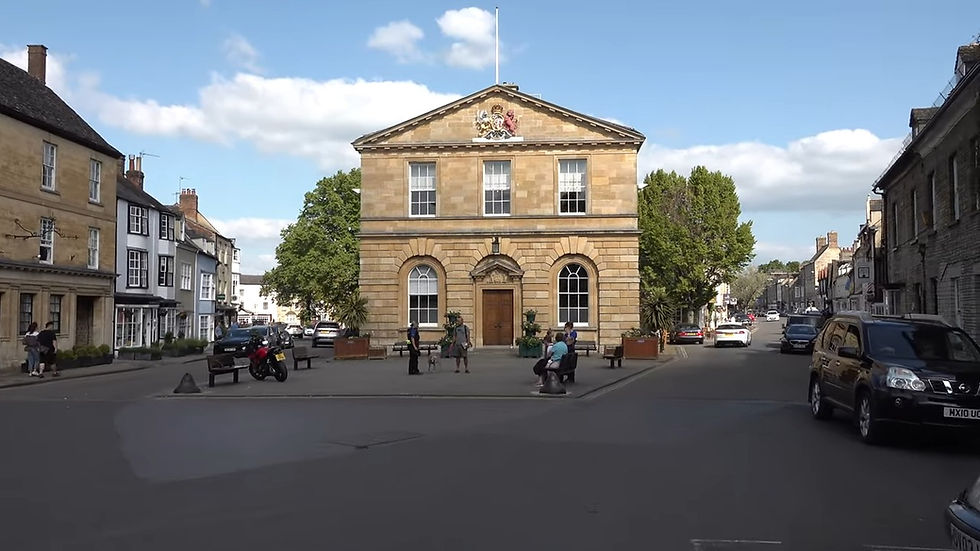
Woodstock, a charming Oxfordshire town, boasts a rich history that intertwines royal heritage with modern vibrancy. From its origins as a Saxon hunting ground to its status as a picturesque market town anchored by Blenheim Palace, Woodstock’s evolution is a captivating tale of tradition and transformation. This article explores the town’s historical significance and its journey to becoming a beloved destination.
Early History and Royal Roots
Woodstock’s story begins in the Anglo-Saxon era, its name derived from Old English, meaning “clearing in the woods.” By the 7th century, it housed a royal hunting lodge, a retreat for Saxon kings amidst Oxfordshire’s lush landscapes. Under Norman rule, Woodstock grew in prominence, with Woodstock Manor serving as a residence for monarchs like Henry I and Henry II.
Royal Significance: In the 12th century, Woodstock was a hub of royal activity. King Henry II’s association with Rosamund Clifford, the “Fair Rosamund,” added a layer of romantic legend, with tales of her residence at the manor. The town also hosted significant political events, including royal councils and treaty negotiations.
Medieval Hub: Woodstock’s strategic location near Oxford made it a favoured stop for royalty, cementing its status as a key medieval settlement.
The Birth of Blenheim Palace
The 18th century marked a turning point with the construction of Blenheim Palace, now a UNESCO World Heritage Site. Gifted to John Churchill, the 1st Duke of Marlborough, by Queen Anne in 1704 for his victory at the Battle of Blenheim, the palace replaced the old Woodstock Manor. Designed by Sir John Vanbrugh, its baroque grandeur redefined the town’s identity.
A Lasting Legacy: Blenheim became the seat of the Dukes of Marlborough and the birthplace of Sir Winston Churchill in 1874. Its parkland, landscaped by Capability Brown, enhanced Woodstock’s allure, drawing visitors to its majestic grounds.
Cultural Impact: The palace’s presence transformed Woodstock, attracting artisans, wealth, and attention, setting the stage for its modern prominence.
Market Town Prosperity
Beyond its royal ties, Woodstock thrived as a market town. Granted a royal charter in the 15th century, it became a commercial centre, particularly renowned for its glove-making industry from the 16th to 19th centuries. This craft earned Woodstock a reputation for fine workmanship.
Elizabethan and Stuart Eras: Frequent visits from Queen Elizabeth I brought cultural vibrancy, with lavish entertainments hosted for royalty. However, the English Civil War saw Woodstock’s royalist leanings lead to occupation by Parliamentarian forces, damaging the old manor.
Economic Growth: The town’s proximity to Oxford and its market status fostered trade, supporting a bustling local economy.
Woodstock in the Modern Era
Today, Woodstock is a quintessential English market town, blending historic charm with contemporary appeal. Its cobbled streets, Georgian architecture, and historic inns create a timeless atmosphere, while its lively high street offers independent shops, cosy pubs, and inviting tearooms.
Tourism and Culture: Blenheim Palace remains the town’s centrepiece, attracting visitors with its opulent interiors, art collections, and events like the Blenheim Horse Trials. The Oxfordshire Museum showcases local history, while the Woodstock Literature Festival highlights the town’s cultural vitality.
Modern Amenities: As a gateway to the Cotswolds, Woodstock draws tourists seeking both rural beauty and proximity to Oxford, just eight miles away. Its role in films like Downton Abbey has further elevated its profile.
Balancing Heritage and Progress
As Woodstock has grown in popularity, it faces the challenge of preserving its historic character amidst modern development. The influx of tourists and demand for new amenities have sparked local efforts to promote sustainable tourism. Conservation initiatives ensure that landmarks like Blenheim Palace and the town’s medieval core remain intact, while new businesses, such as boutique galleries and artisanal cafes, add to Woodstock’s contemporary charm.
The town’s ability to balance heritage with progress is evident in its thriving community. Historic inns, such as The Bear Hotel, offer modern comforts while retaining their 17th-century facades. Meanwhile, Woodstock’s proximity to Oxford only eight miles away makes it an ideal destination for those seeking a blend of rural tranquillity and urban access.
A Timeless Destination
Woodstock’s journey from a royal hunting ground to a modern market town is a testament to its resilience and charm. Its royal roots, embodied by the splendour of Blenheim Palace, are matched by its vibrant present, where history is palpable in every stone and street. Whether you’re strolling through its historic lanes, exploring the palace’s gardens, or enjoying a pint in a centuries-old pub, Woodstock offers a captivating blend of past and present.
For those seeking to uncover England’s rich heritage while enjoying modern comforts, Woodstock is a destination like no other. Its story continues to evolve, inviting visitors to experience its timeless allure and discover why this Oxfordshire gem remains a beloved corner of Britain.


This is a really informative post! I love how clearly the topic is explained—it makes reading so enjoyable and easy to understand. I enjoy exploring different interesting sites reddyanna online, and this one was a great find.
This is a really informative post! I love how clearly the topic is explained—it makes reading so enjoyable and easy to understand. I enjoy exploring different interesting sites fairplay24 online, and this one was a great find.
This is a really informative post! I love how clearly the topic is explained—it makes reading so enjoyable and easy to understand. I enjoy exploring different interesting sites skyexchange online, and this one was a great find.